Environment
The Arctic ice melted four times faster than forecast
US scientists have confirmed that the Arctic ice sheets are thinning at a rate four times faster than the UN Intergovernmental Panel on Climate Change (IPCC) forecast.
Browse ScienceInfo articles and explainers related to Arctic Ice.
46 published items.
US scientists have confirmed that the Arctic ice sheets are thinning at a rate four times faster than the UN Intergovernmental Panel on Climate Change (IPCC) forecast.

Scientists warn that, with the current warming rate of the Earth, only 30-40 years later, ice will not exist in the summer, even in the center of the Arctic.
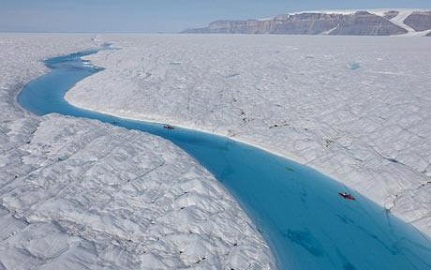
US scientists say an ice sheet of four times the size of Manhattan Island (260 km2) and a height of about 180m have been separated from the Petermann glacier in northern…

Rapid warming in the Arctic region and a large number of glaciers are fading as a phenomenon
Two large icebergs, about 4-5km2 and one 14km2, have separated from the ice block in the extreme Canada. On July 29, Canadian scientists confirmed two
The team, led by Woods Hole Oceanographic Institute (WHOI), recently found evidence of a volcanic eruption deep beneath the ice-covered white surface of the Arctic Ocean.

The Arctic ice area in the summer has fallen to its lowest level in 30 years due to global climate change.
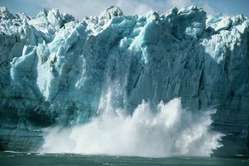
Ice in the Arctic ocean can completely melt in the summer from now until 2080 due to the warming of the climate. Scientists present at the conference in Breme (Germany)…
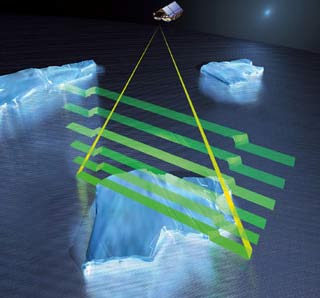
Increasing global temperatures are leading to the melting of northern European ice faster than expected, while the Groenland ice sheet is in danger of disappearing, acco…
Global warming could melt most of the ice above the Arctic perennial ice before the end of the century, a prediction by a research group at the Institute of Climate Rese…
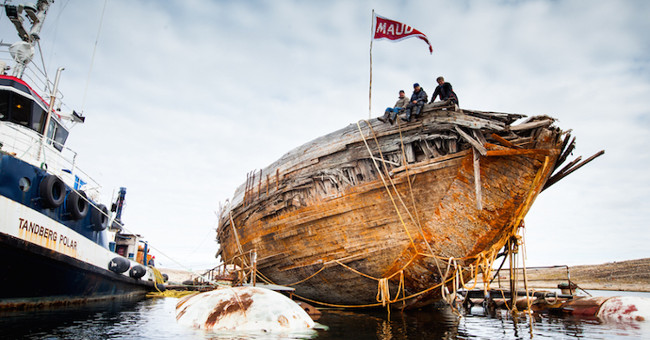
A group of divers and engineers working for 5 years to liberate and put on the sea the Norwegian explorer ship stuck for 86 years in the Arctic ice.

The scarce food forces the polar bear to climb the dangerous cliffs to catch young birds and eggs.
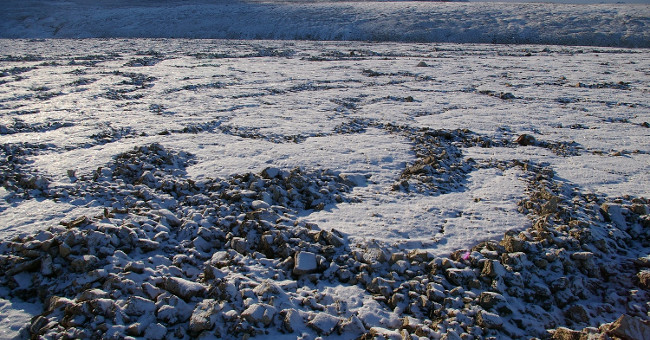
Scientists warn climate change is melting permafrost, which can release many dangerous bacteria and viruses that are dangerous to humans.

It is possible that in the near future ice in the Arctic will no longer be a big problem for US military warships and submarines.
This is the project proposed by Thames Water Company to the City Council, to deal with the most severe drought in a century in the fog country.